Essential Auto Repair Tips: Keep Your Vehicle Running Smoothly and Safely
Keeping a vehicle is vital for performance and safety. Consistent checks and simple repairs can help prevent costly mechanical failures. Appreciating the significance of routine maintenance can enhance a car's lifespan. Straightforward DIY solutions often prove adequate for minor concerns. Still, understanding when take action professional help is needed is just as critical. Examining these fundamental auto repair strategies highlights techniques that can substantially benefit a driver's experience on the road. What could a driver learn about their own car?
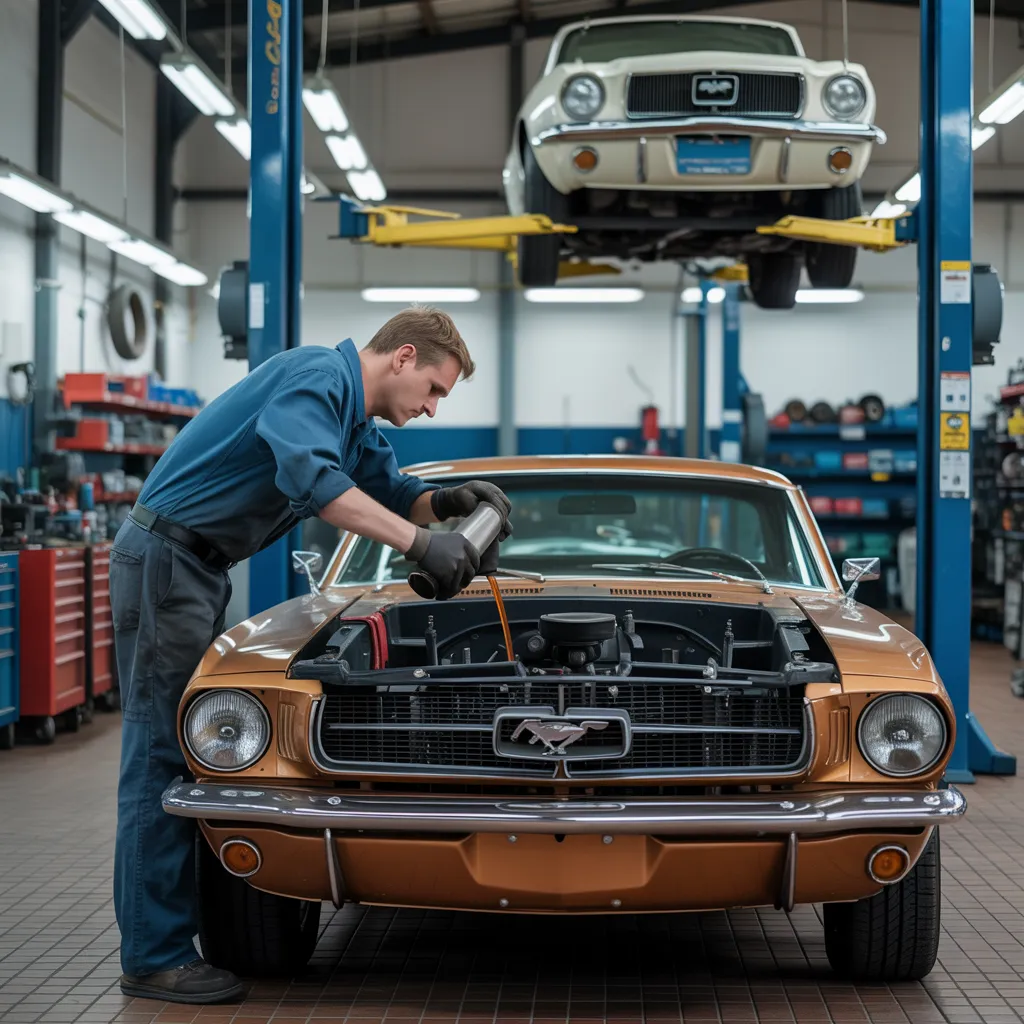
Begin With Fundamental Routine Vehicle Inspections
When keeping up with vehicle maintenance, performing key routine inspections can keep minor concerns from developing into costly repairs. Consistent monitoring of fluid levels, such as oil, coolant, and brake fluid, guarantee that the engine operates efficiently and safely. Tire pressure should be checked frequently; tires with insufficient pressure can result in reduced fuel efficiency and hazardous driving conditions. Furthermore, inspecting the battery and its connections can reduce the risk of sudden and unexpected failures.
The wiper blades and lighting systems should also be periodically evaluated for functionality, as clear visibility is critical for driving safely. An equally important check concerns the brakes; any unusual sounds or behaviors should be investigated promptly. Lastly, keeping track of the vehicle's alignment helps prevent uneven tire wear and enhances handling. By making these routine inspections a priority, vehicle owners can sustain optimal performance and prolong the life of their vehicles.
Simple DIY Fixes for Common Car Problems
Many car owners encounter common issues that can be easily addressed with basic do-it-yourself solutions. For instance, a dead battery can frequently be restored with a simple jump start, while worn-out wiper blades can be replaced in minutes, enhancing visibility in rainy conditions.
Another frequent problem relates to flat tires, which can be addressed with a tire replacement or a tire patching kit. In addition, changing engine oil and filters regularly can boost engine efficiency and durability.
A faulty headlight can typically be repaired by installing a new bulb, a process that needs only basic tools.
Furthermore, screeching brakes could signal deteriorated brake pads, which you can also replace yourself at home.
These simple fixes not only save money but also empower automobile owners to maintain their vehicles effectively. By tackling these frequent problems in a timely manner, they can confirm their cars stay in optimal condition, enhancing both safety and reliability.
Detect Frequent Warning Signs of Car Trouble
How can vehicle owners successfully spot potential issues before they become serious? By being mindful of frequent indicators that point to underlying issues. Strange noises, like grinding or squeaking, may indicate issues with brakes or other parts. Additionally, warning lights on the dashboard, like the check engine light, should never be ignored; they often indicate specific issues requiring immediate attention.
In addition, shifts in temperature displays can indicate excessive heat buildup, while alterations to the vehicle's handling or braking performance may indicate wheel alignment or braking concerns. Unknown fluid leaks, including oil, coolant, or transmission fluid, are also warning signs. Additionally, observing reduced fuel economy can signal engine or exhaust system concerns. With timely recognition of these indicators, automobile owners can handle emerging problems, maintaining the safety and reliability of their vehicles.
When to Reach Out for Professional Help
Knowing when to consult a professional is crucial for vehicle maintenance. Warning light indicators and unexpected noises and tremors frequently indicate underlying issues that require expert attention. Disregarding these warnings can result in greater mechanical issues and high repair costs later on.
Indicator Warning Lights
How seriously should a driver treat warning light indicators? Warning lights on a vehicle's dashboard serve as essential alerts about potential issues. Motorists ought to treat indicators such as the check engine light, oil pressure warning, and battery alert as urgent signs requiring attention. Overlooking such warning signs can contribute to more serious vehicle damage and higher repair costs. If a warning light activates, it is advisable to consult the owner's manual for specific guidance. Continuous warning lights, especially when combined with unusual signs such as stalling or overheating, demand a thorough professional inspection. Swift action can prevent minor issues from escalating into significant problems, ensuring the vehicle remains safe and reliable on the road. Regular checks and timely responses to these indicators are important for vehicle longevity.
Unusual Noises or Vibrations
What steps should a driver take when noticing unusual sounds or vibrations coming from their vehicle? Immediate attention is vital, as these symptoms often indicate underlying issues. Motorists should initially determine the kind of noise—whether it's a grinding, squealing, or thumping sound—as this can help narrow down the cause. Additionally, they should assess whether the vibrations are linked to particular speeds or conditions, such as braking or accelerating. If the noises or vibrations persist, it is wise to consult a professional mechanic. Prompt action can help avoid additional damage and ensure vehicle safety. Disregarding these symptoms could result in expensive repairs or, more seriously, jeopardize vehicle safety. Proactive measures are essential in maintaining the vehicle's performance and longevity.
Auto Repair Advice: Why Routine Maintenance Is Important
Regular maintenance is essential for the performance and safety of vehicles. By following a regular maintenance schedule, drivers can prevent costly repairs, enhance the longevity of their vehicles, and ensure adherence to safety standards. Overlooking these practices may result in unexpected problems that jeopardize both the dependability of the vehicle and the well-being of its passengers.
Prevent Costly Repairs
Maintaining a vehicle consistently can significantly lower the chance of costly repairs down the road. Scheduled inspections and service tasks, such as oil changes, brake checks, and tire rotations, help identify issues before they escalate. Disregarding warning signals or odd sounds can result in serious harm, creating a need for pricey repairs. Furthermore, adhering to the manufacturer's service schedule guarantees that critical components remain in peak condition. Ensuring fluids are replenished, such as engine coolant and transmission fluid, can avoid overheating and mechanical breakdowns. Easy routines like inspecting tire pressure can improve gas mileage and prolong tire longevity. In summary, committing to scheduled maintenance serves as a proactive strategy, reducing costs while enhancing long-term vehicle performance.
Enhance Vehicle Longevity
Committing to routine maintenance is crucial for improving the lifespan of your vehicle. Regular oil changes, fluid checks, and tire rotations help ensure that essential systems operate at peak performance. Overlooking these responsibilities can result in premature wear and tear, leading to costly repairs down the line. Furthermore, maintaining proper tire pressure and alignment promotes better fuel efficiency and overall performance, which further extends the life of the vehicle. Monitoring battery health and replacing worn-out parts promptly can prevent unexpected breakdowns. Scheduled examinations enable the proactive discovery of emerging concerns, giving vehicle owners the chance to resolve them before they worsen. By making routine servicing a priority, drivers can experience greater reliability and peace of mind while getting the most from their vehicle.
Ensure Safety Standards
Maintaining safety standards in vehicle operation requires consistent attention to maintenance practices. Consistent inspections of key components, such as brakes, tires, and lights, are crucial for accident prevention and maintaining top performance. Mechanics recommend adhering to the manufacturer's maintenance schedule, which often includes important checks and fluid replacements that contribute to overall safety. In addition, monitoring warning lights and addressing issues promptly can mitigate larger, costly repairs. Checking tire pressure and tread depth on a consistent basis is important for better handling and stability. Additionally, keeping windshield wipers and fluid levels in good condition ensures clear visibility in challenging weather conditions. By giving priority to these maintenance duties, vehicle owners can considerably minimize risks and foster a safer driving experience for themselves and other drivers on the road.
Money-Saving Vehicle Upkeep Tips
Many vehicle owners seek ways to cut costs while ensuring their cars remain in excellent condition. Regular maintenance can be budget-friendly and effective. An important piece of advice is to complete oil changes at the proper intervals, because choosing the appropriate oil can boost engine effectiveness. Additionally, checking tire pressure monthly not only improves fuel economy but also extends tire life.
Car owners can save money as well by replacing air filters themselves, which is a simple task that boosts engine efficiency. Routinely checking and cleaning the battery terminals can ward off pricey battery replacements.
Utilizing online resources for DIY repairs and maintenance guides allows owners to address small problems without professional assistance. Moreover, participating in local car clubs or online forums can supply useful guidance and discounts on components. By implementing these cost-effective practices, vehicle owners can maintain their cars efficiently while minimizing expenses.
Common Questions and Answers
How Often Should I Rotate My Tires?
Tires should typically be rotated every 5,000 to 7,500 miles, according to the vehicle model and tire variety. Routine rotation encourages uniform wear, improves traction, and prolongs tire life, contributing to overall vehicle safety and performance.
What Benefits Does Synthetic Oil Offer?
Switching to synthetic oil boosts engine efficiency, provides superior lubrication, reduces wear, and improves fuel efficiency. It also withstands higher temperatures and offers outstanding protection against engine sludge deposits, consequently increasing engine longevity and lowering maintenance expenses.
Can I Mix Different Brands of Motor Oil?
Combining various motor oil brands is typically fine, as long as they have matching viscosity and specifications. That said, it is best to avoid blending synthetic and conventional oil varieties for maximum engine performance.
How Can I Tell if My Battery Needs to Be Replaced?
A vehicle battery might require replacing if the automobile experiences trouble starting, shows dim headlights, or displays a dashboard indicator light. Furthermore, a physical inspection for swelling or corrosion can signal reduced battery performance.
What Should I Do When My Check Engine Light Comes On?
When the check engine light turns on, the first step is to inspect for a loose gas cap, followed by using an OBD-II scanner to pinpoint error codes. If the problem remains, consulting a professional mechanic is advisable for further diagnosis.